If your breast implants suddenly feel firmer than they used to — or you’ve noticed one breast sitting higher, looking tighter, or appearing slightly misshapen — you might be alarmed. When results change over time, especially after you were once happy with your augmentation, it’s normal to wonder what’s going on and what you can do next.
At Lombardo Cosmetic Surgery, Dr. Maria Lombardo combines surgical precision with an artistic eye for balance and natural shape. As a board-certified general surgeon and cosmetic surgeon, she’s uniquely qualified to evaluate implant complications and help patients move forward with confidence.
In this blog, you’ll learn what capsular contracture is, why it happens, and when capsule or implant removal may make sense.
What Is Capsular Contracture?
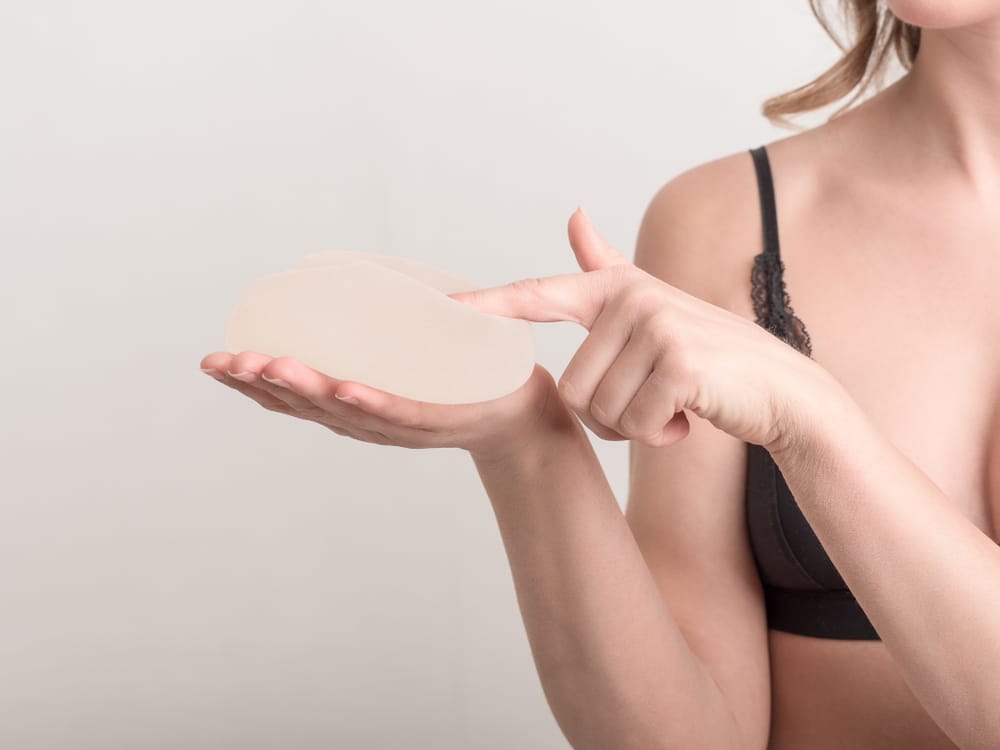
Capsular contracture happens when the scar tissue (“capsule”) that naturally forms around a breast implant becomes unusually thick or tight. Instead of staying soft, the capsule can shrink and squeeze the implant, which may cause the breast to feel firm, appear distorted, or become painful.
Why Does Capsular Contracture Happen?
There isn’t one single cause, but experts believe it’s usually linked to inflammation in the tissue around the implant. Some possible triggers include:
- Low-grade bacterial contamination (sometimes called “biofilm”)
- Bleeding or fluid buildup after surgery (hematoma/seroma)
- Implant rupture or silicone leakage
- Implant placement and healing factors
Signs and Grades: How Severe Is It?
Surgeons often use the Baker scale to describe capsular contracture severity:
- Grade I: Breast looks and feels normal
- Grade II: Slight firmness, looks normal
- Grade III: Firm with visible shape changes
- Grade IV: Hard, painful, and distorted
Grades III and IV are typically the most disruptive and are more likely to require surgery.
When Removal Makes Sense
Mild cases may be monitored, especially if the breast looks normal and discomfort is minimal. However, removal (or revision surgery) may be recommended when you have:
- Ongoing pain or tightness
- Noticeable distortion or implant shifting
- A recurring contracture that keeps coming back
- Implant rupture or suspected leakage
Depending on your goals, treatment may include capsulectomy (removing the capsule), implant exchange, or implant removal.
Call Lombardo Cosmetic Surgery for Expert Implant Evaluation
If you think capsular contracture may be affecting your breast implants, don’t wait for symptoms to worsen. Call Lombardo Cosmetic Surgery at 760-610-8990 to schedule an appointment with Dr. Maria Lombardo in Palm Springs.